The people behind the ideas
Mathematicians
Portraits come from Wikimedia Commons and are credited on each page. Where no likeness survives, we show the person’s mathematics instead of inventing a face.
Mathematician of the day
Nicole Oresme
Around 1350 he proved that 1 + 1/2 + 1/3 + 1/4 + … grows without limit, by grouping its terms into halves.
He also drew graphs of changing quantities, about three centuries before Descartes.
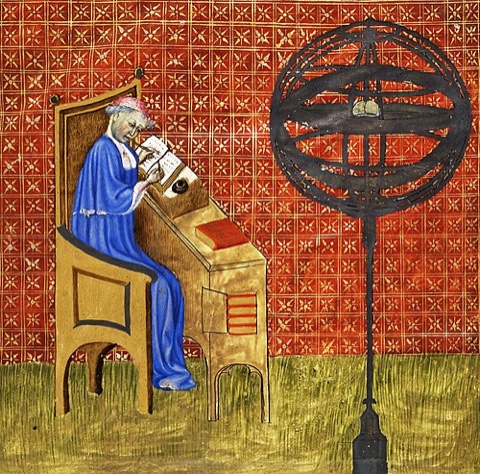
Medieval manuscript illumination, Public domain, via Wikimedia Commons
From India
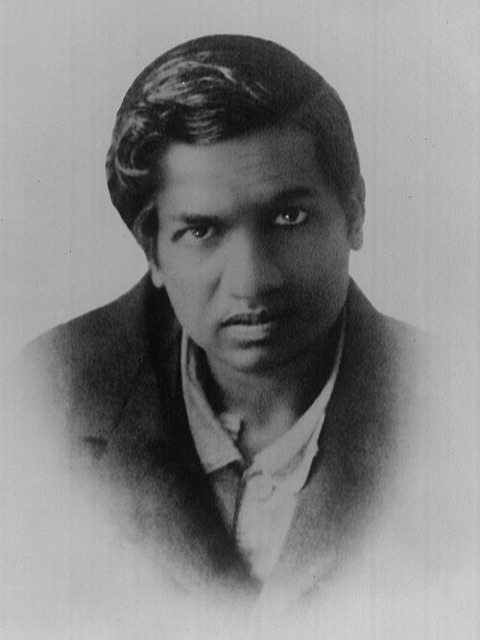 Srinivasa Ramanujan1887–1920
Madhava’s series for π, c. 1400
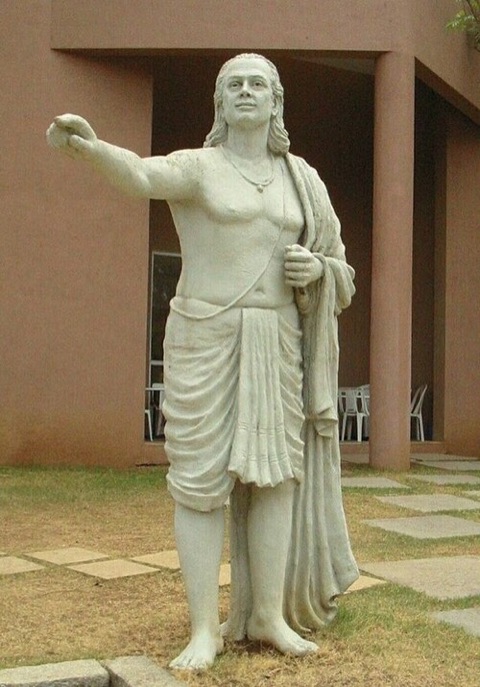 Aryabhata476–550 CE
Brahmagupta’s identity, 628 CE
Smallest solution: x = 1766319049, y = 226153980
Rhythms of 1, 2, 3, … beats
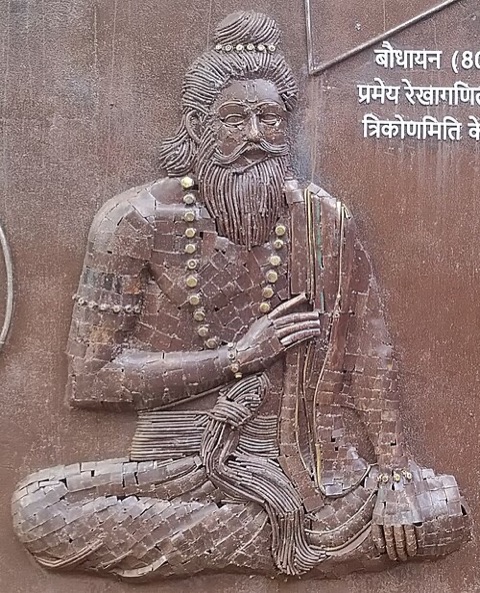 Baudhayanac. 800–600 BCE
Kaprekar’s constant
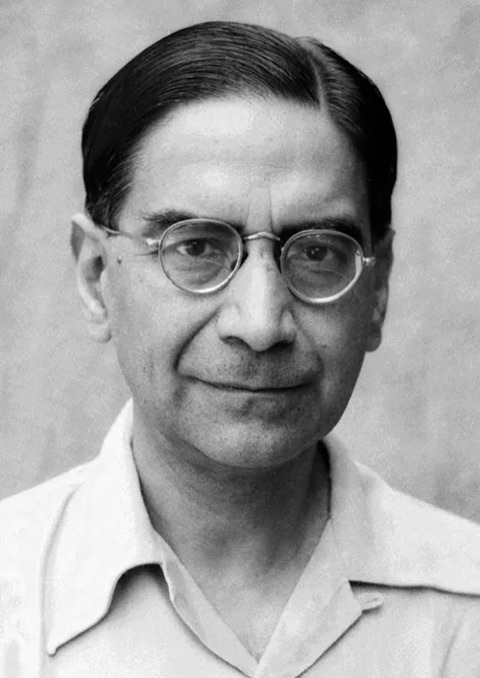 P. C. Mahalanobis1893–1972
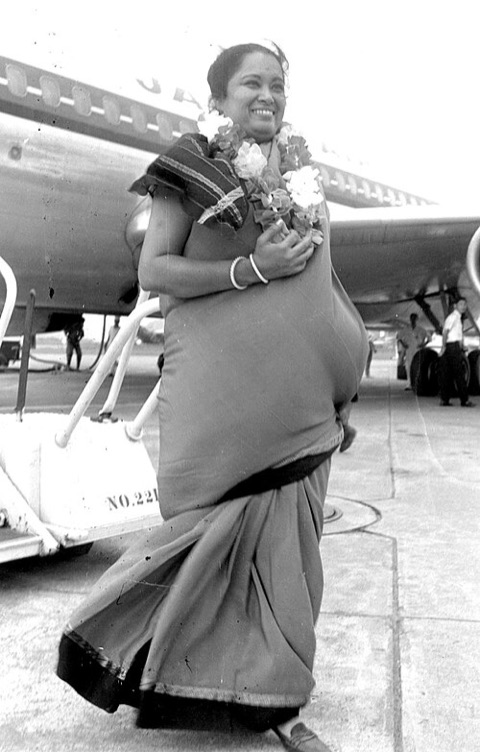 Shakuntala Devi1929–2013
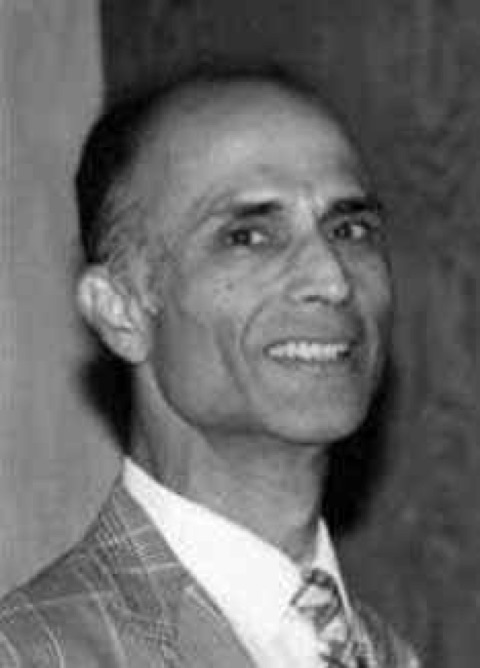 Harish-Chandra1923–1983
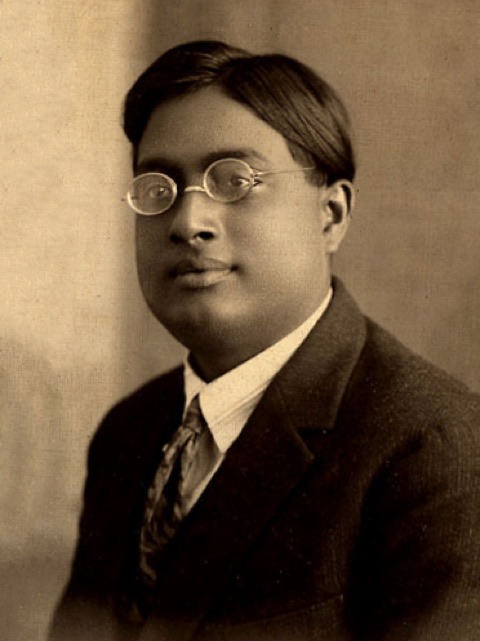 Satyendra Nath Bose1894–1974
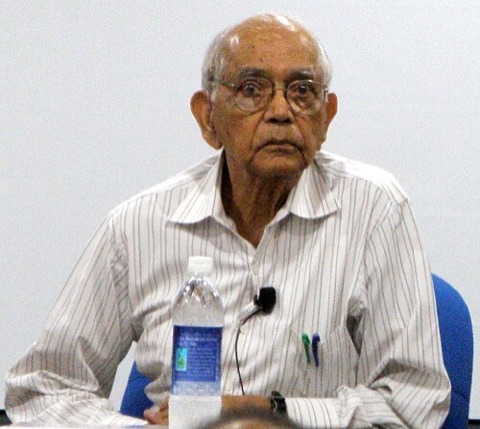 C. R. Rao1920–2023
From everywhere
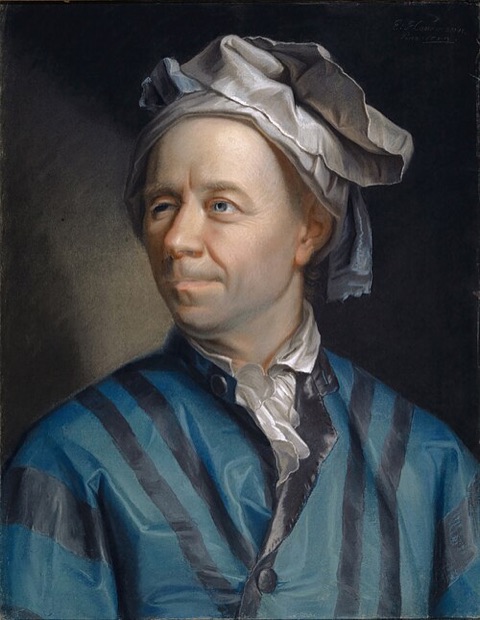 Leonhard Euler1707–1783
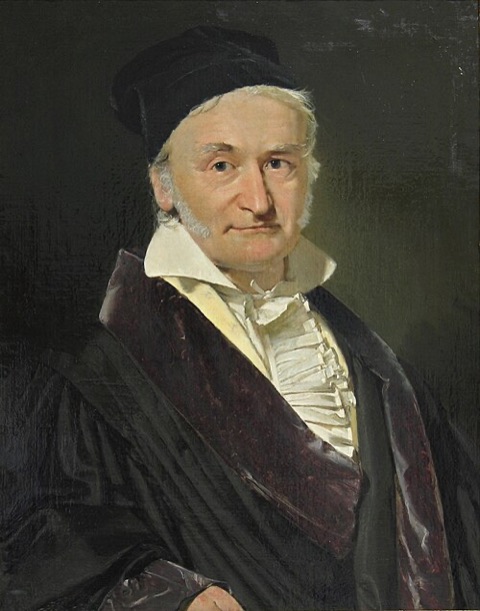 Carl Friedrich Gauss1777–1855
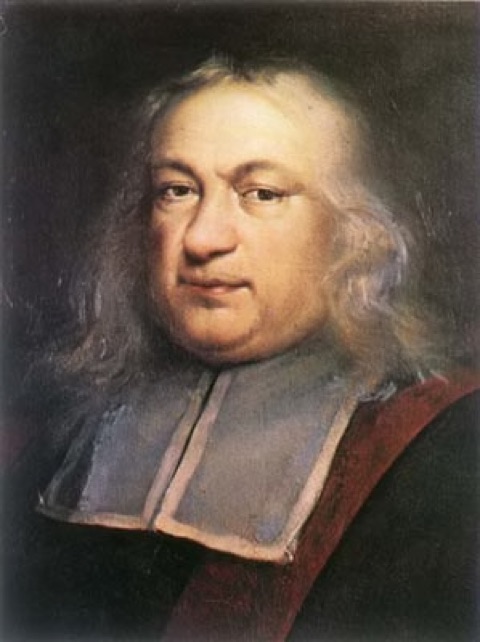 Pierre de Fermat1601–1665
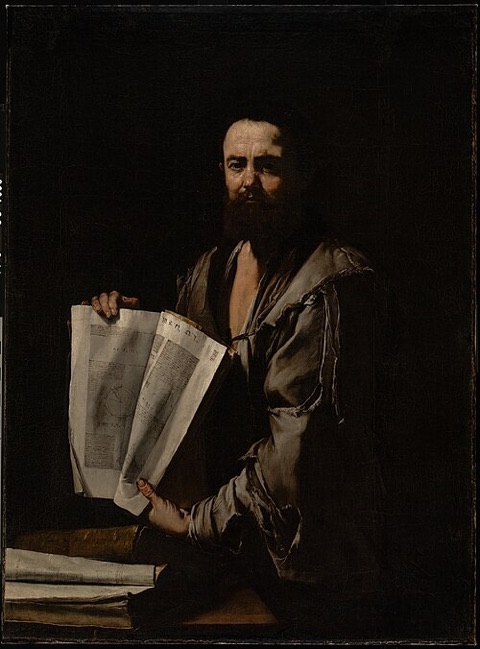 Euclidfl. c. 300 BCE
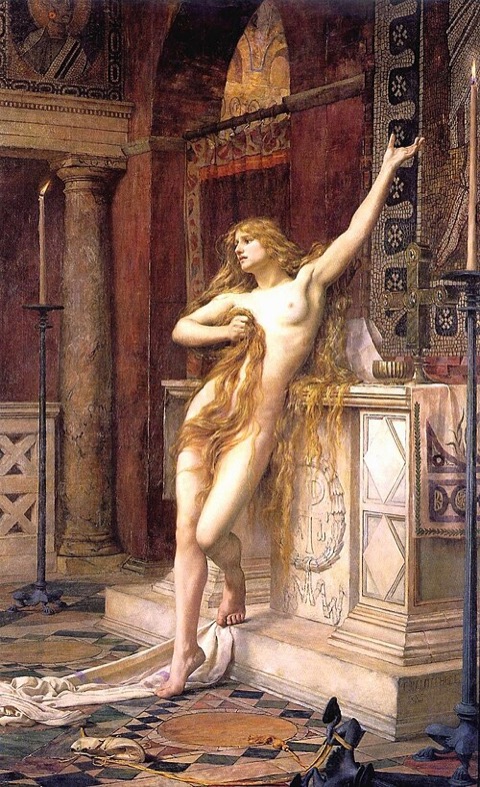 Hypatiac. 360s–415 CE
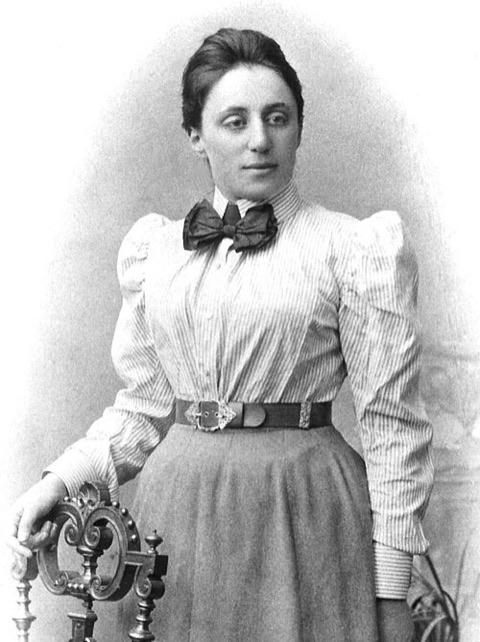 Emmy Noether1882–1935
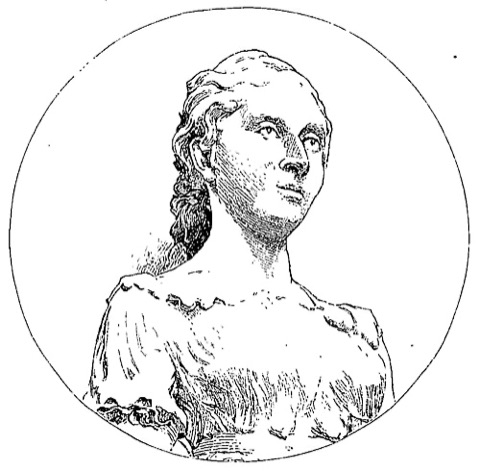 Sophie Germain1776–1831
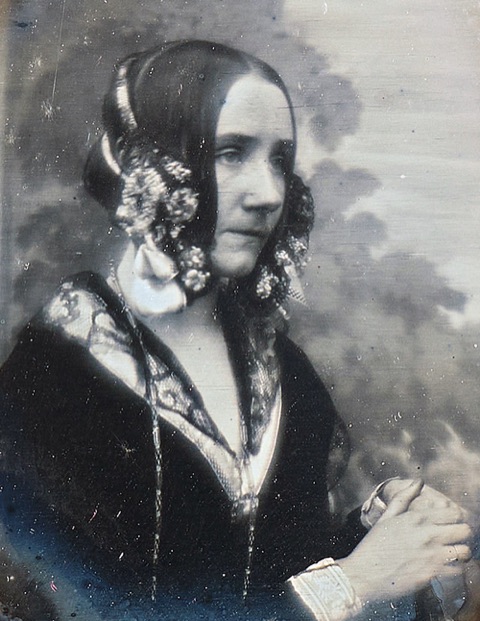 Ada Lovelace1815–1852
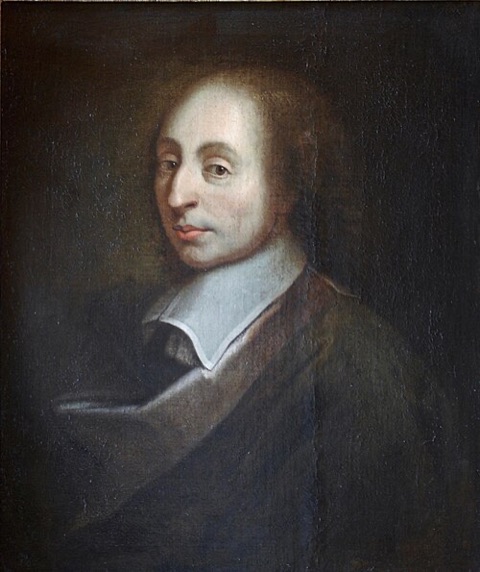 Blaise Pascal1623–1662
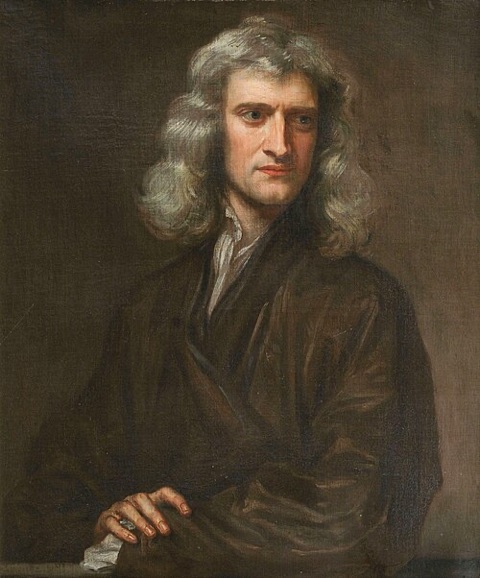 Isaac Newton1643–1727
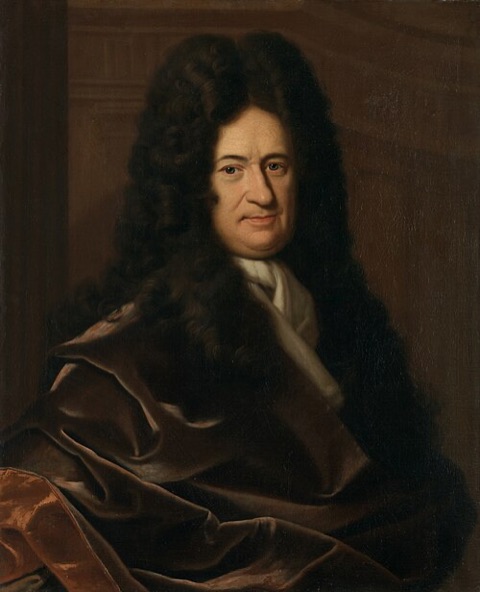 Gottfried Wilhelm Leibniz1646–1716
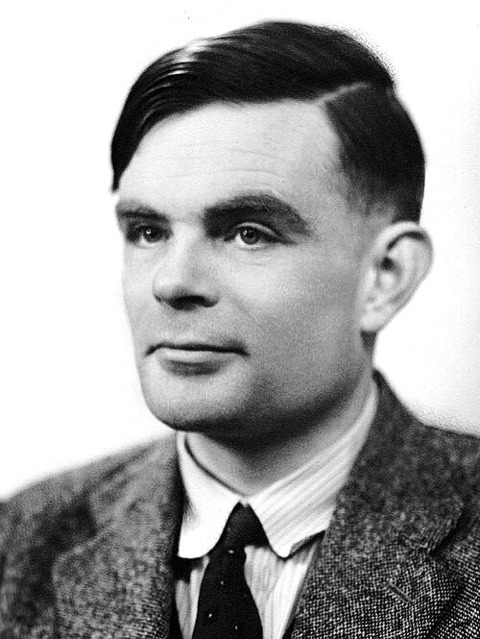 Alan Turing1912–1954
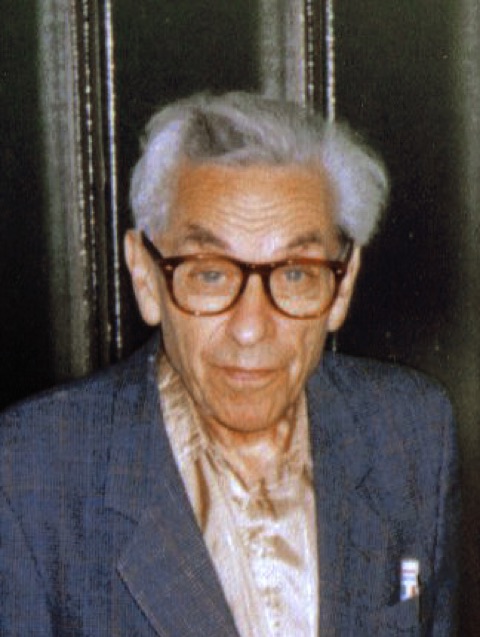 Paul Erdős1913–1996
 Maryam Mirzakhani1977–2017
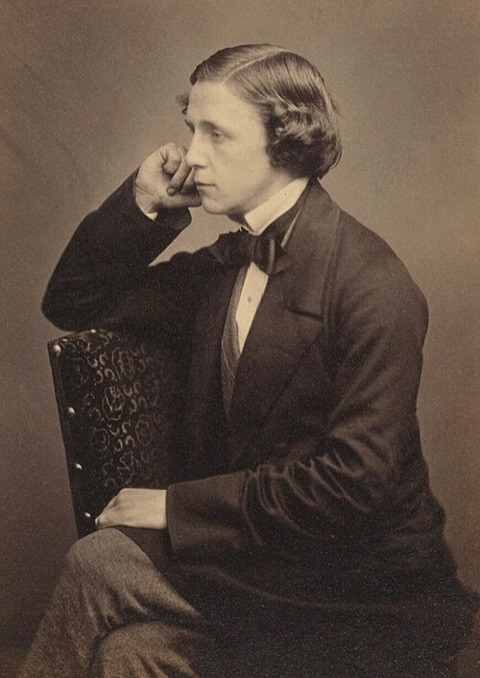 Lewis Carroll1832–1898
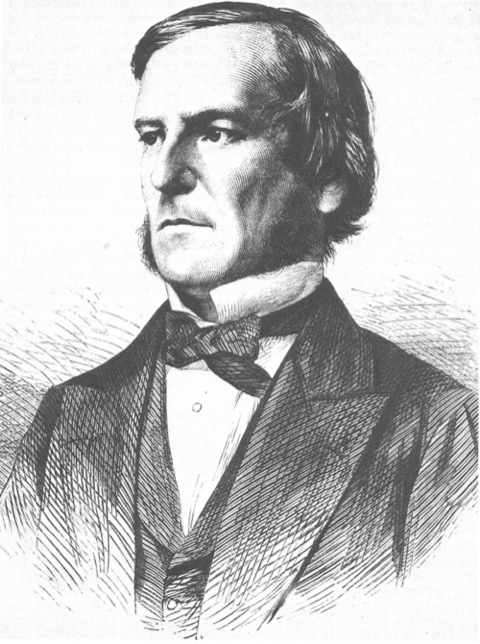 George Boole1815–1864
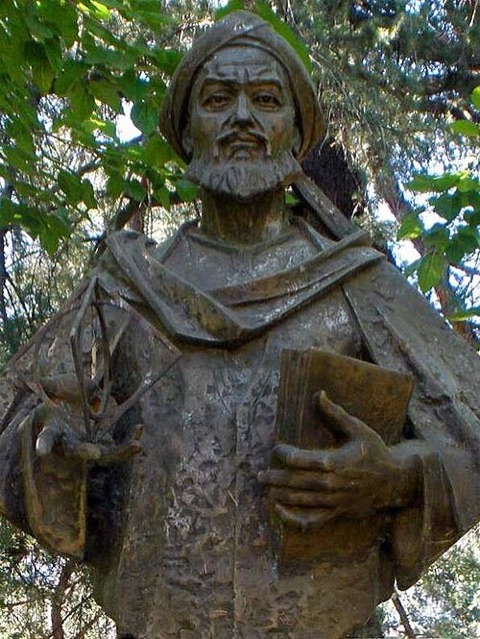 al-Khwarizmic. 780–c. 850Nicole Oresmec. 1320–1382
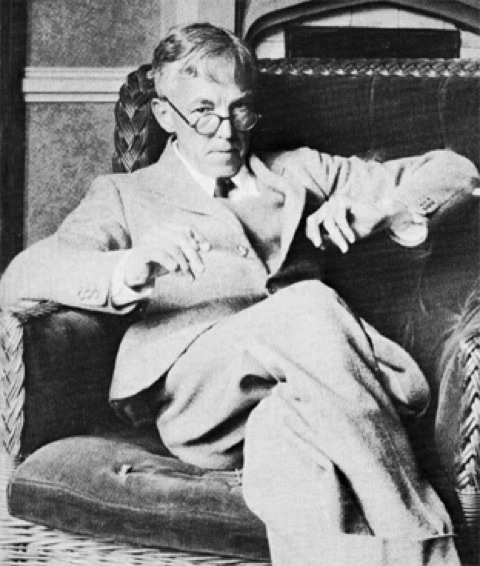 G. H. Hardy1877–1947
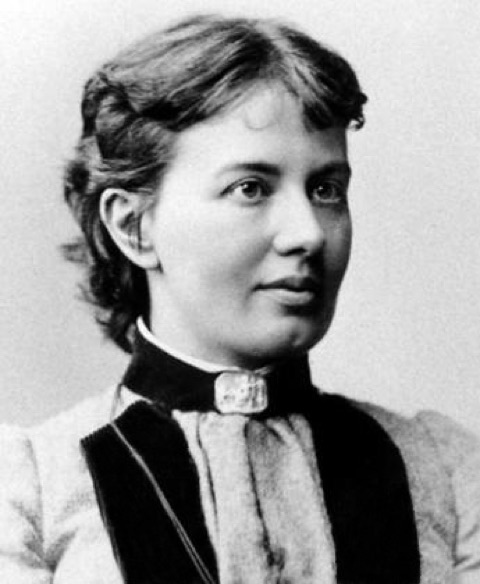 Sofia Kovalevskaya1850–1891
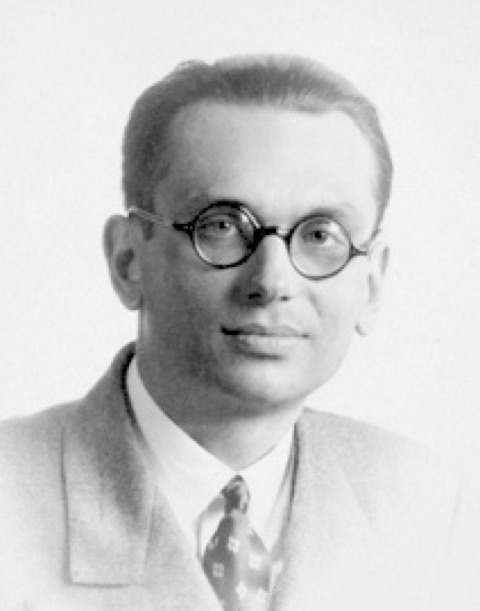 Kurt Gödel1906–1978
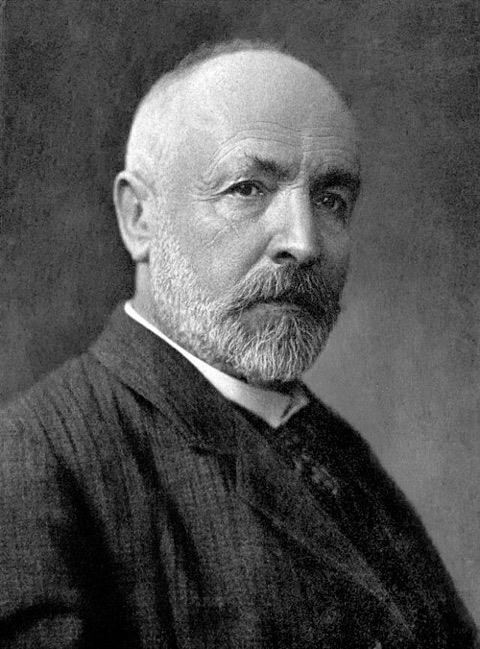 Georg Cantor1845–1918
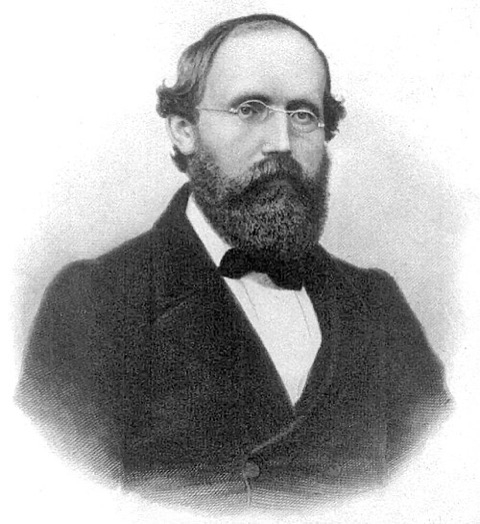 Bernhard Riemann1826–1866
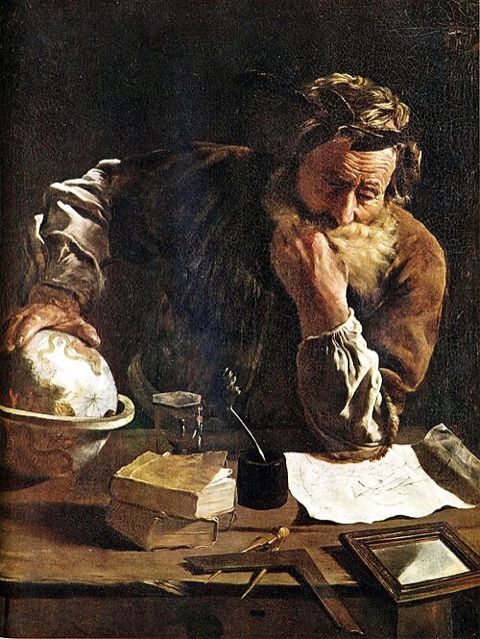 Archimedesc. 287–212 BCE
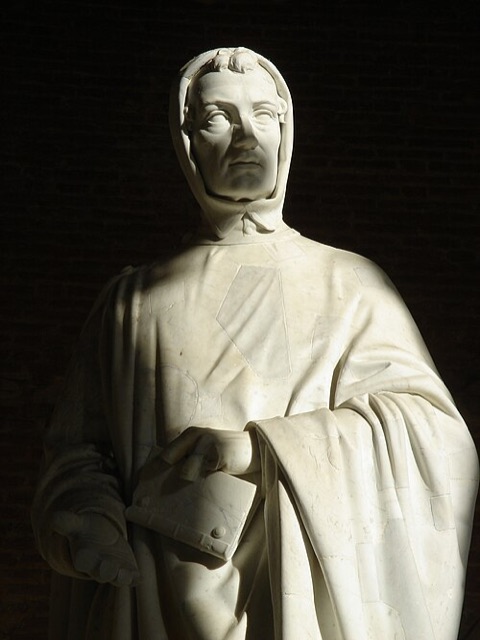 Fibonaccic. 1170–c. 1250
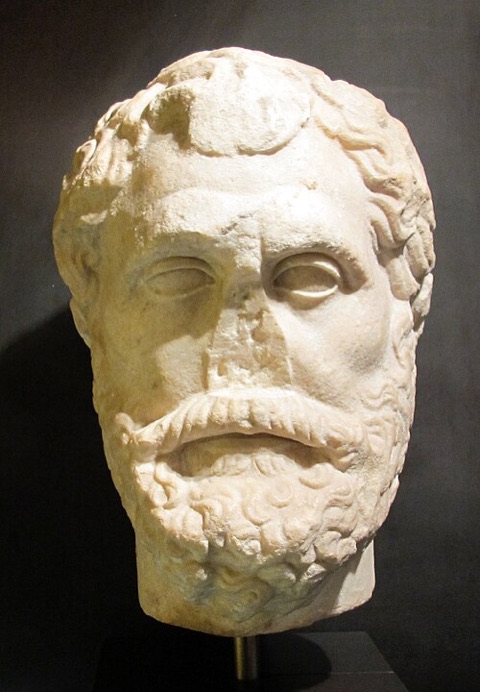 Thales of Miletusc. 626–c. 545 BCE
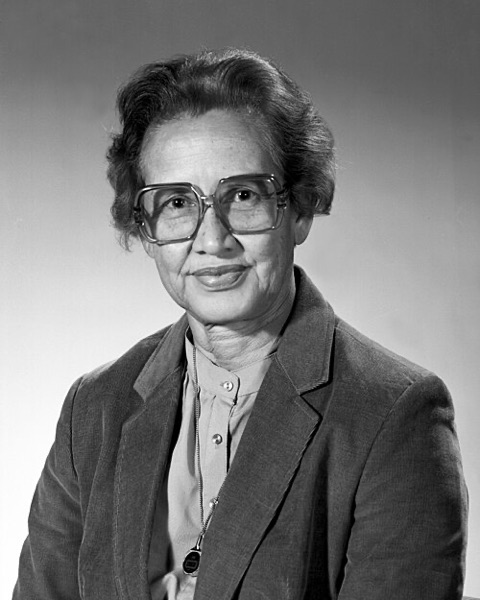 Katherine Johnson1918–2020
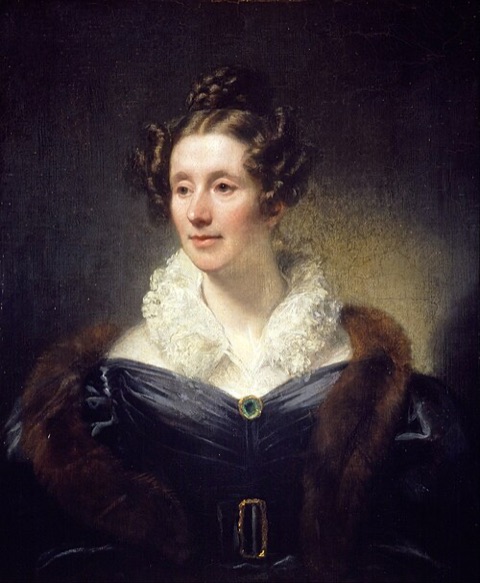 Mary Somerville1780–1872
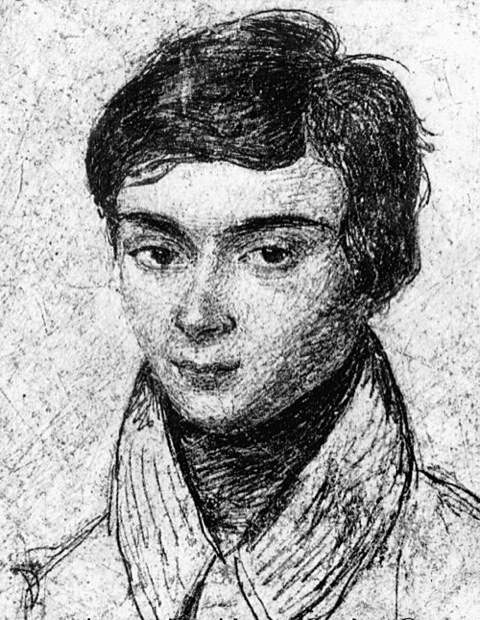 Évariste Galois1811–1832
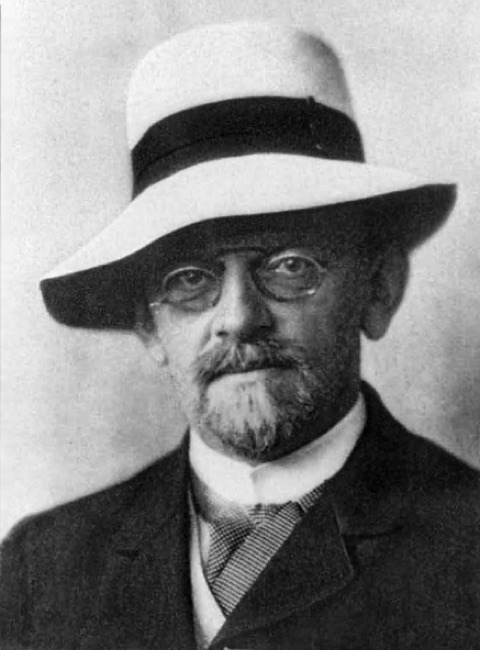 David Hilbert1862–1943
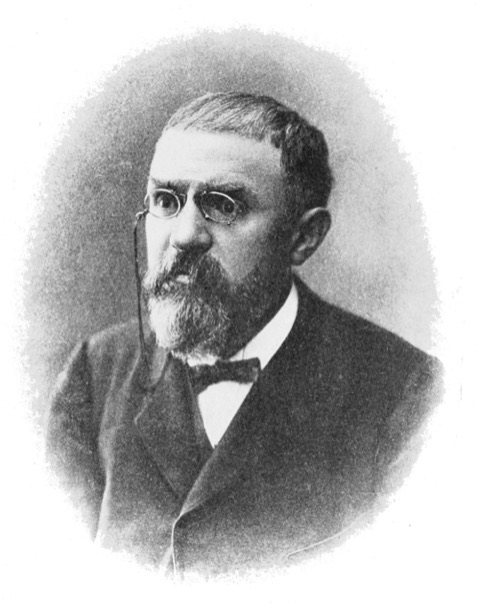 Henri Poincaré1854–1912
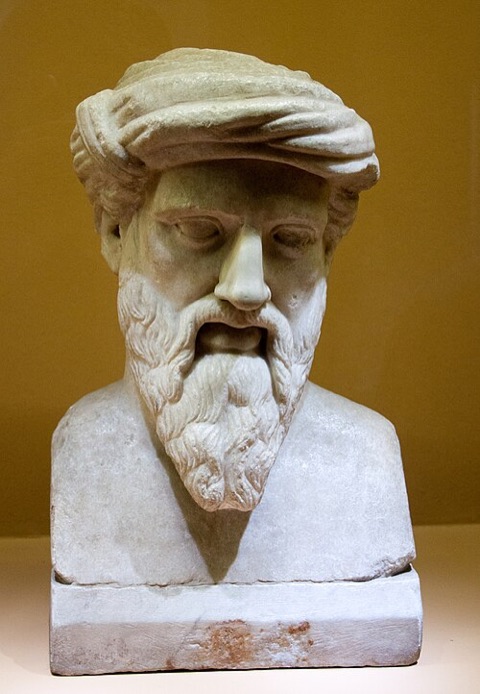 Pythagorasc. 570–c. 495 BCE